























Galooli Glossary
What Is a Battery Monitoring System (BMS)?
What Is Condition-Based Maintenance?
What Is an Energy Management System (EMS)?
What is Energy Availability
We lived in a world that runs on energy. Energy consumption peaked before the COVID pandemic reduced global activity, but it’s quickly returning to record highs. Planning around the accessibility of that energy and its associated resources is critical for the success of any venture. Just recently, the disruptions to Europe’s energy supply have created no small amount of chaos and concern for how people will keep their homes heated in the coming winter.
These disruptions have brought greater scrutiny to an often neglected but central part of the economy, which is energy availability. The problem is that avoiding low energy availability is all about planning for the future and sufficient investment in the underlying energy resources, two steps that are easy to overlook at a bureaucratic level.
However, when the proper steps are taken and the costs are shouldered, the long-term benefits of managing a stable energy supply are immeasurable. So, what is energy availability?
Energy availability refers to the accessibility of electrical power. Depending on the scope of the conversation, understanding energy availability requires focusing on different parts of the energy supply chain. The various aspects of energy availability to know about are the accessibility of natural resources, reliability of renewable energy, and the lifetime efficiency of energy storage assets.
Energy availability can be a concern for anyone, no matter the scale they’re operating on. Government organizations must worry about the impact of reliable energy on the economy and security, businesses need to plan out energy costs of facilities, and individuals want to know more about their options for energy resources.
To fully understand energy availability, you also have to look at energy storage. The most common form of energy storage, batteries have varying energy availability based on their capacity, materials, and overall price. Furthermore, this availability changes over the lifetime degradation of the individual batteries in a system based on usage patterns and other specifications
The dawn of the age of energy digitalization has made energy fundamental to the function of most aspects of modern society. This makes energy availability a key topic to understand in ensuring the reliability and overall security of many industries and sectors.
For businesses in energy-intense fields, determining municipal energy availability is an important factor in planning the location of various new facilities. An abundance of local natural energy resources means relatively lower energy transportation costs, which leads to a substantial reduction in the lifetime energy costs of any size building.
Another key factor in energy management is energy efficiency. Taking steps to increase efficiency can function as a multiplier on the potential power drawn from energy resources.
On the other hand, many fields need to set up sites in more remote locations. In this case, the energy availability becomes a question of the cost and capacity of the different options for remote power.
What is HVAC?
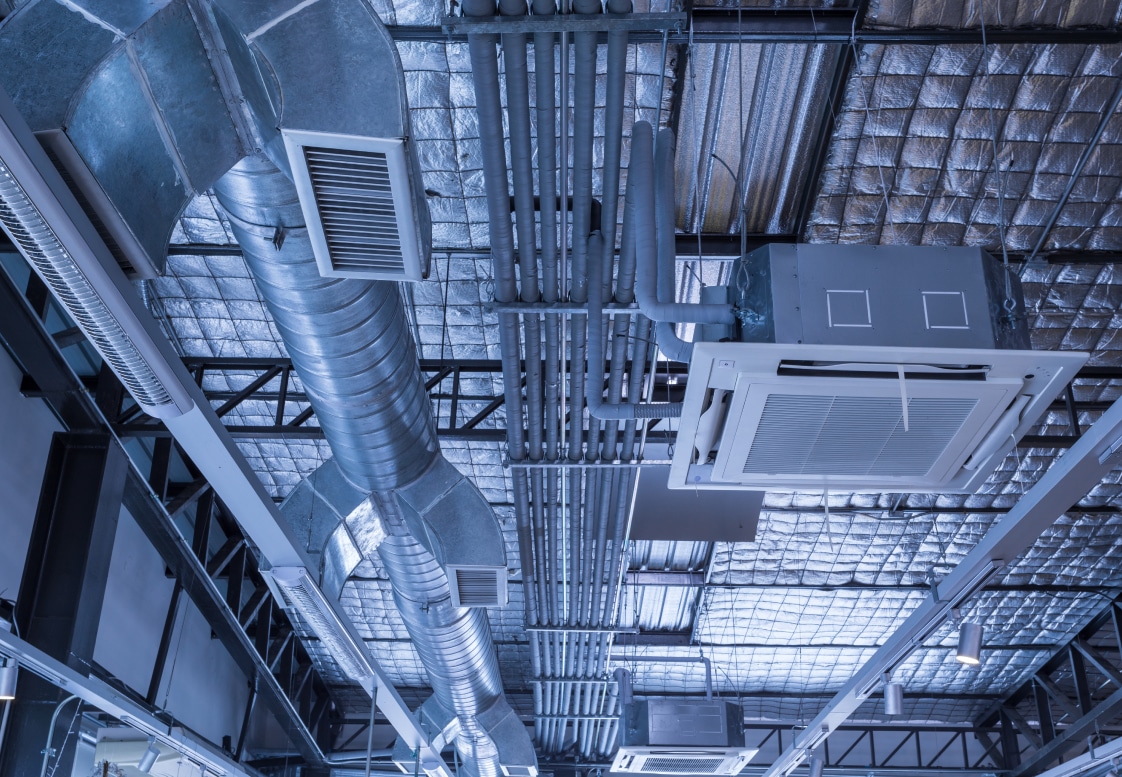
Amid international disruptions to energy distribution systems and the growing burden of unpredictable weather, many taken-for-granted aspects of infrastructure are coming under greater scrutiny. In particular, the buildings that shelter us from this chaos are consuming more and more power as our reliance on their protection increases.
One of the main technologies that make buildings hospitable is air conditioning. AC belongs to the holy trinity of building comfort, Heating, Ventilation, and Air Conditioning. Some governments have begun adopting increasingly strict regulations of these systems, limiting fuel types, and demanding higher efficiency. Electrical HVAC systems are one of the options touted to replace older nonrenewable fuel-based heating and cooling.
So, what is an HVAC system? Temperature control seems straightforward, but many factors go into designing these systems, and even more to consider when looking at improving their efficiency in real-world conditions.
Let’s take a look at each element of HVAC:
Raising the temperature in a building means using burned fuel, electricity, or heat pumps on-site to heat and distribute air directly or via heated water or steam. Heating elements carry different risks based on their potential to generate harmful gases.
The goal of ventilation varies slightly based on local climate and air pollution. Both air contaminants and humidity need to be filtered from the outside to effectively control indoor air quality. Indoor air circulation is also an important factor in regulating temperature.
Areas with drier, cleaner air can use well-placed windows or vents to create passive ventilation. It’s also possible to have some impact on heating and cooling through certain building designs.
AC units come in all shapes and sizes. They work best when the type of AC unit included is planned for in the building’s construction, as this impacts the placement and efficacy of the cold air distribution system.
As a function of being closely tied to the ventilation system, AC units also tend to serve as the main interception point for air filtering and dehumidification.
What is Energy Use Intensity?
What is energy use intensity? Countries all over the world are gearing up to meet the Paris Accord emissions reduction goals, and commercial buildings are an important part of that process. For instance, smart buildings have been shown to potentially reduce annual emissions by almost 10%.
With all of the energy invested in limiting emissions, it’s also important to make a note of the real bottom-line benefits of better power management. Emission concerns are leading governments to create tax incentives for investing in energy efficiency as well as allocating funds to support people making those changes.
But that’s not all. By being conscious of your energy use and improving efficiency, you inherently save money on excess demand that is otherwise wasted. So what exactly is EUI?
EUI is a metric that describes a building’s energy efficiency based on the amount of space it takes up. To calculate EUI you simply take the annual energy consumed by a building in gigajoules (GJ) or British-thermal units (kBtu) over the area (m2 or ft2) of that building.
The only room for confusion comes from the two different ways to measure energy consumption, site energy and source energy.
Site energy takes the energy use reported by utility bills or advanced metering. It’s most commonly used when looking at EUI while designing buildings, as it reflects the realities of energy consumption that the average owner will face.
Source energy is calculated from the total energy used including all energy from producing and consuming assets, as well as the energy lost throughout the transportation process. This produces a much more accurate energy footprint that factors in the added intensity of different fuel sources based on type and distance to service. Buildings that plan to incorporate on-site renewables, batteries, and other supplementary energy systems should use this method in their calculations.
Some sites naturally have a higher EUI, like hospitals or data centers that run many high-intensity assets almost 24/7. Essentially, having more connected assets, greater energy demand per asset, and overall higher runtime are the main factors that increase EUI.
Understanding energy use intensity is an important part of maximizing the energy efficiency of new buildings and assessing existing sites. Knowing the EUI beforehand helps assess the overhead for electricity and if its drastically different from similar types of buildings it lets you know that something is wrong before you get too far along in your design.
Having a site energy use intensity benchmark for your particular type of building lets you identify and predict the utility costs of daily operations. If you’re relying solely on grid power and only use alternative energy sources as backups, this will tell you most of what you need to know.
On the other hand, if you use photovoltaic solar panels, batteries or generators to regularly supplement your power supply, you’ll need a more detailed assessment of your power needs.
However, the real strength of the EUI metric is having an effective baseline to track future improvements. Once you’ve fully understood where you start and have pushed EUI as far as possible, there are still more improvements to make to your electricity consumption.
Your local climate and related HVAC demand can have a big impact on the actual EUI you end up with. Furthermore, variations in daily use and physical factors can drive the intensity up even more.
What is a Smart Grid?
Nowadays, most of the world has access to a large-scale electricity grid, but many places haven’t been maintaining and upgrading their grid infrastructure.
Last year, the independent Texas power grid failed dramatically when the state experienced abnormally cold weather and then again faced a crisis during a record heat wave this summer. Both the extra strain from people huddling around their heaters and air conditioners, as well as poorly planned and out-of-date power plants, were crucial factors in this dramatic failure.
These events and many others show that, while electricity is a fundamental part of basic safety and security, securing its supply doesn’t necessarily get the respect and care it deserves.
As the consequences of this neglect come to a head, there is a greater demand for more reliable and modernized energy systems. Fortunately, smart grid technology has been waiting for an opportunity to shine.
So, what makes a grid smart?
A smart grid is an automated electrical grid with communication and IT systems that can monitor power flows from every energy asset to each connected piece of equipment and can make real-time adjustments between generation and load.
There are a few key components to setting up and running smart grid infrastructure effectively. First, a smart grid requires smart metering sensors integrated into both the energy-producing and energy-consuming assets.
Along with smart meters, smart grid solutions also need remote monitoring solutions that allow for full control over energy-producing assets. This lets utility companies isolate malfunctions and reduce the burden on overloaded sites in situations that would otherwise create a widespread blackout,
Once the asset control, data collection, and transmission mechanisms are established, it’s time to implement smart energy management. By combining trend tracking, data analysis, and generally increased visibility, companies can help optimize smart grid energy and set parameters for the system.
All of these elements together facilitate a channel between providers and customers that enables greater control, efficiency, and responsiveness of the energy network.
Energy costs are rising, shortages are becoming more common, and the world’s transition towards renewable, clean energy and technologies remains relatively stagnant. One of the most direct ways to jumpstart this process is to begin from the ground up with the electric grid. The importance of digitizing the grid and energy assets cannot be understated and can be broken down into a collection of primary benefits.
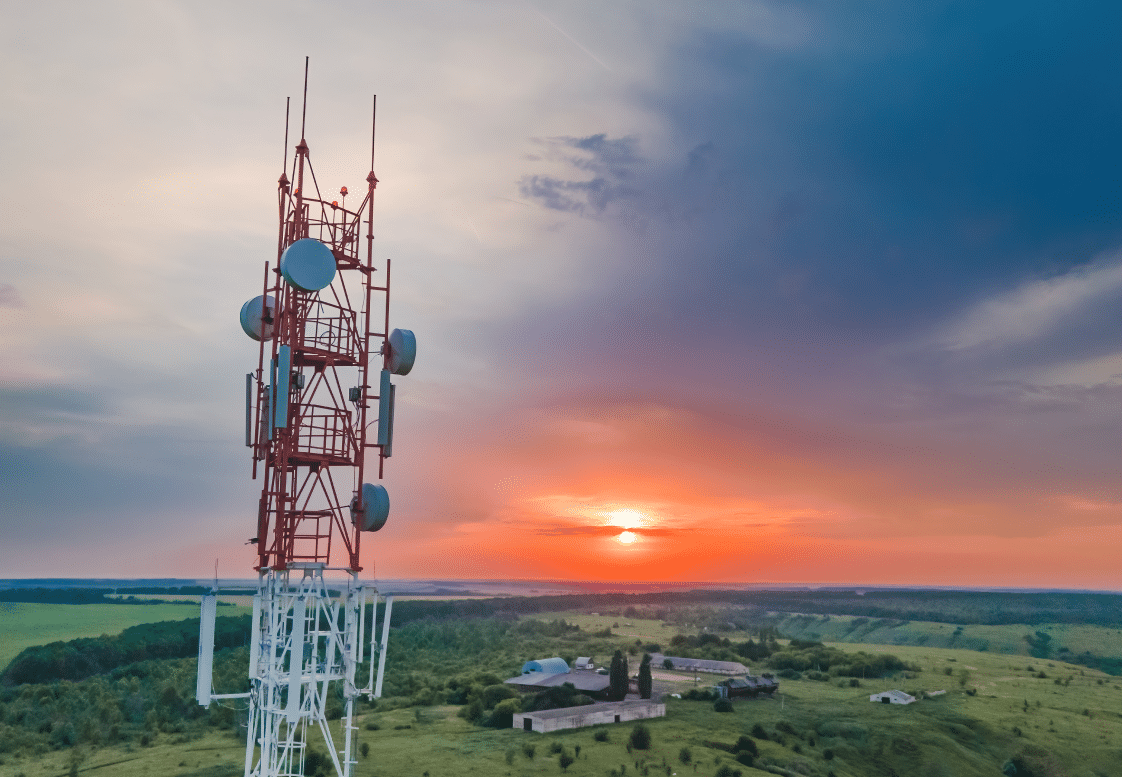
When you look at your phone next to the bar indicating signal strength, there is usually a handful of numbers and letters like 4G or LTE. If you have paid close attention, you might notice that you have better connectivity with LTE than you get with 3G.
Behind these symbols and codes is a complex web of technological history still shaping global telecommunications today. If you want to understand more about telecom systems, it’s essential to learn about network generations.
A network generation is a type of cellular network generally referred to by its number, starting with 1G and going all the way through 2G, 3G, and 4G to the most recent developed generation: 5G. They are referred to as generations because that is how they were institutionally defined.
As the developers responsible for cellular network technology, telecom giants primarily set specific standards for network capabilities. They used their knowledge of contemporary advancements not only to expand the potential range and power of their existing networks but also to define the scope of what the next generation of systems would be able to achieve.
Each network generation refers to the specifications and types of the technology standard, frequency, bandwidth, access system, and core network.
What is Energy Digitalization?
Digitalization is the process by which ICT solutions permeate into the entire economy and daily life. This advent has brought reams of data, leaps forward in data analytics, and higher levels of interconnectivity between people, devices, and machines than ever before.
There is an enormous opportunity to transform society into a more digital, intuitive world, but as the population grows and technology innovates further, energy consumption is rising accordingly.
The world will consume approximately 580 million terajoules of energy in 2022, or about the equivalent of 13.9 billion tons of oil equivalents. While renewable energy is getting cheaper and investment is growing at a rapid pace, it still pales when compared to the world’s reliance on fossil fuels.
In order to help facilitate a more rapid transition and change to cleaner energies and optimize humankind’s current use, the energy sector needs to modernize.
Enter energy digitalization.
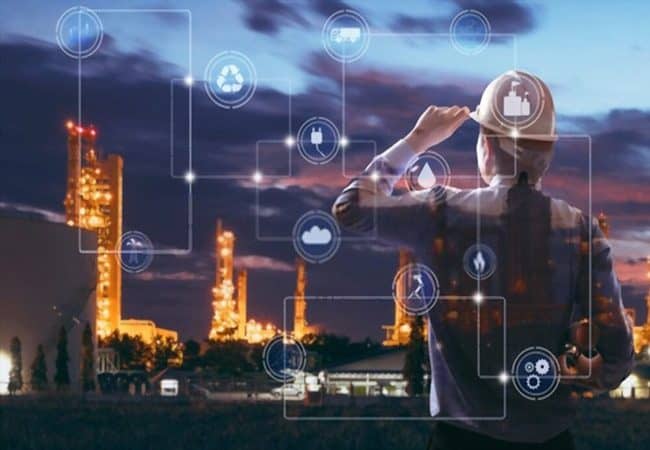
There is a digital transformation in the energy industry taking place. As the industrial, commercial, and private sectors come to terms with the reality that how we source and use energy needs to change, digital technologies will lead the way in finding ways to be more efficient with their consumption.
Energy digitalization is the transformation of the energy sector and energy use in general from traditional manual and binary processes to intelligent remote controls, monitoring, and management.
These digital energy transformations will take static data like utility bills and turn them into actionable insights with that information to reduce energy costs and identify peak usage times to control energy network load. It can also help providers make better, data-centered business decisions and shift their business model according to these insights.
The key to energy digitalization is the introduction of communications equipment and capabilities to analog machinery. From remote monitoring to predictive maintenance and threshold alerts and even remotely controlling assets remotely from an office, these technologies have a wealth of potential.
For telecom and data center operators and service providers using these facilities, they need to determine where their energy pain points lie to stop wasteful energy spending. This includes energy assets operating improperly or when unneeded, wasted power, and which sites are polluting the most, among other energy KPIs.
A microgrid is almost exactly what it sounds like; a smaller, scaled-down version of a typical central electric grid. Large national or municipal grids are used because centralizing distribution of most services is the most efficient possible form, so why does anyone bother with microgrids?
As the last couple of decades has shown, climate change is a growing threat to all forms of infrastructure. This is especially relevant to energy grids, as higher temperatures and increasingly frequent storms put more and more strain on these networks.
The United States saw 20 natural disasters that caused over one billion dollars in damages in 2021 alone. With the scaling challenges of climate change looming, taking control of your grid has become more important than ever.
First, let’s discuss what exactly is a microgrid more in-depth, and how they work.
Microgrids are a form of an energy system where a group of buildings or a neighborhood develops and implements its own self-contained network of power. A microgrid draws power from utilities just like the central grid but has supplementary energy production and storage that augments its daily functions. The specific configuration and resources of any microgrid are determined by the needs of the facilities relying on it.
This self-contained network of energy assets can operate invisibly alongside the main grid and then seamlessly transition into a fully independent energy system. To accomplish this, microgrids incorporate an active, intelligent control module that helps compensate for vulnerabilities and improves overall performance.
Moreover, to effectively manage and keep these energy assets working at peak capacity, remote monitoring solutions can provide accessible visibility and insight into their performance. By augmenting the control functions of a microgrid with enhanced oversight operators can minimize risks and effectively maintain these independent energy networks.